
-
Everything below, from clean solar energy to protecting food chains from disruption to ensuring residents don't bear the financial cost of protecting themselves from extremists impacts affordability! But for some ideas on ensuring markets serve people, Maryland should:
-
Prevent private equity groups from buying up doctors offices, nursing homes, and other healthcare facilities then forcing them to reduce staff or increase prices. More broadly, launch studies into market consolidation in Maryland and the impact it has on affordability.
-
Ban the use of personal data for setting prices or micro-targeting advertisements, and allow consumers to sue for data breaches of their data. This will protect consumers from exploitation and eliminate much of the incentive for collecting and selling our personal details.
-
Establish community land trusts to keep housing affordable and prevent speculation while at the same time promoting community ownership and control. Further, implement frameworks for tenant cooperatives and allow renters an opportunity to purchase their homes like in DC.
-
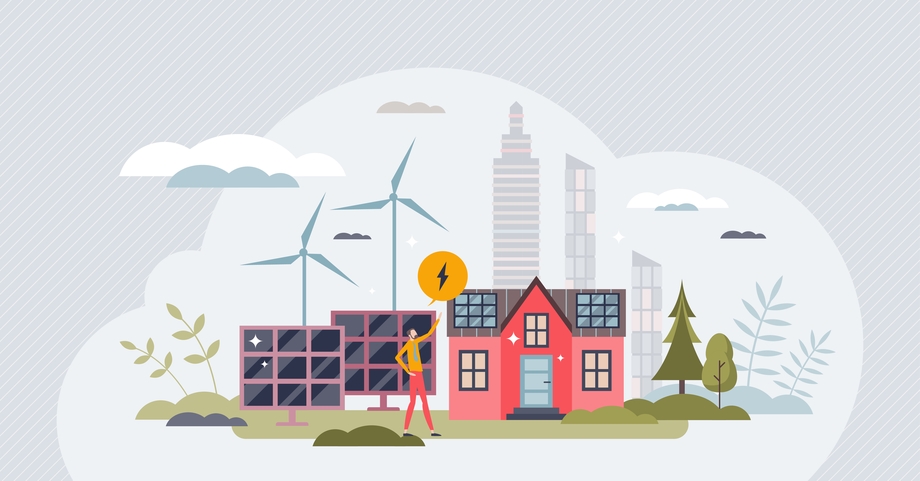
Dedicate 1 percent of Maryland land to the creation of solar farms, with state loans provided to energy companies who commit to protecting the environment and adopt worker buyout programs. This investment will shield residents from rising electricity rates, create well-paying jobs tied to our state, and demonstrate Maryland's commitment to tackling climate change.
-
Require corporate jobs that can be reliably performed remotely to be eligible for work-from-home policies. This will reduce road congestion and emissions from the transit sector, while improving work-life balance for many employees.
-
Demand large corporations replacing human workers with AI adopt four-day work weeks without reduction in pay, ensuring any productivity gains are shared across the workforce. Combined with incentives to spend that free day at restaurants, clubs, and other shared spaces, this will rejuvenate local communities and benefit small businesses.
-
Expand the MD Department of the Environment with former EPA officials and task it with continuing the environmental monitoring we can no longer rely on from the federal government.

-
Strengthen state level oversight performed by the Maryland Department of Health in light of the gutting of the FDA, while adopting a precautionary approach that restricts chemicals when there's a likely risk to human health as done in Canada and the EU.
-
Partner with John Hopkins and the University of Maryland to conduct public health surveillance and research, particularly wastewater monitoring and vaccine review in order to counter the anti-scientific health policies of the Trump administration.
-
Ban phthlates, PFAS, and other harmful chemicals from consumer products while demanding companies develop processes for the recycling or environmentally safe disposal of all consumer products.
-
Create a program between the Department of Agriculture and state groceries to build up stock piles of essential foods in the region to protect residents from supply chain disruptions caused by global events.

-
Fund the Blueprint for Maryland's Future, particularly the investments in early childhood education, and expand access to these programs for children of all income levels. This will reduce the burden of paying for childcare that heavily impacts working families.
-
Ensure not just teachers but all educational support professionals are paid fairly based on their outsized roles as essential workers in our communities, with pay that increases with inflation and the right to strike over unsafe conditions in schools.
-
Increase funding for mental health services in schools to support students' emotional and psychological well-being, with emphasis on preventing vulnerable students from falling into toxic online environments espousing misogynist, anti-semitic, or homophobic beliefs.
-
Replicate the Montgomery County Anti-Hate Task Force across the state, ensure all educational staff are given training in LGTBQ+ cultural competency and religious literacy, and require reported acts of hate to be addressed promptly.
-
Establish fair treatment and freedom from violence or harassment due to one's identity as a foundational value, where the state has an affirmative duty to protect all residents from hate and all laws must be interpreted to ensure this protection.
-
Create a state domestic task force to assume responsibilities abandoned by the FBI and DOJ: identifying and investigating extremist threats to our communities, especially those tied to White Supremacy and neo-Nazi movements.
-
Ban the use of facial recognition or other biometric surveillance technologies by both local government and workplaces, as well as forbidding the upload of any recordings to centralized cloud storage that can be easily accessed by third parties like ICE.
-
Task the Maryland Comptroller with building a website for filing both state and federal taxes, using data already provided to the state by employers to populate forms on behalf of residents, and giving the state a greater hand in disputes with the federal government.